Here is the 2026 new year ai prompt template you can paste into any AI tool right now to ship festive content fast: “Create a 2026 New Year [image/text/email] for [audience] in a [tone] tone; feature the numerals 2026 prominently; include brand colors [HEX], [message/CTA], sized for [platform and aspect ratio]. Avoid logos and watermarks.”
Use the tool‑specific settings below to turn that single line into a mini campaign kit (image + caption + client email) in under 10 minutes; typical costs are under one dollar per image and just a few cents per text output on mainstream tools.
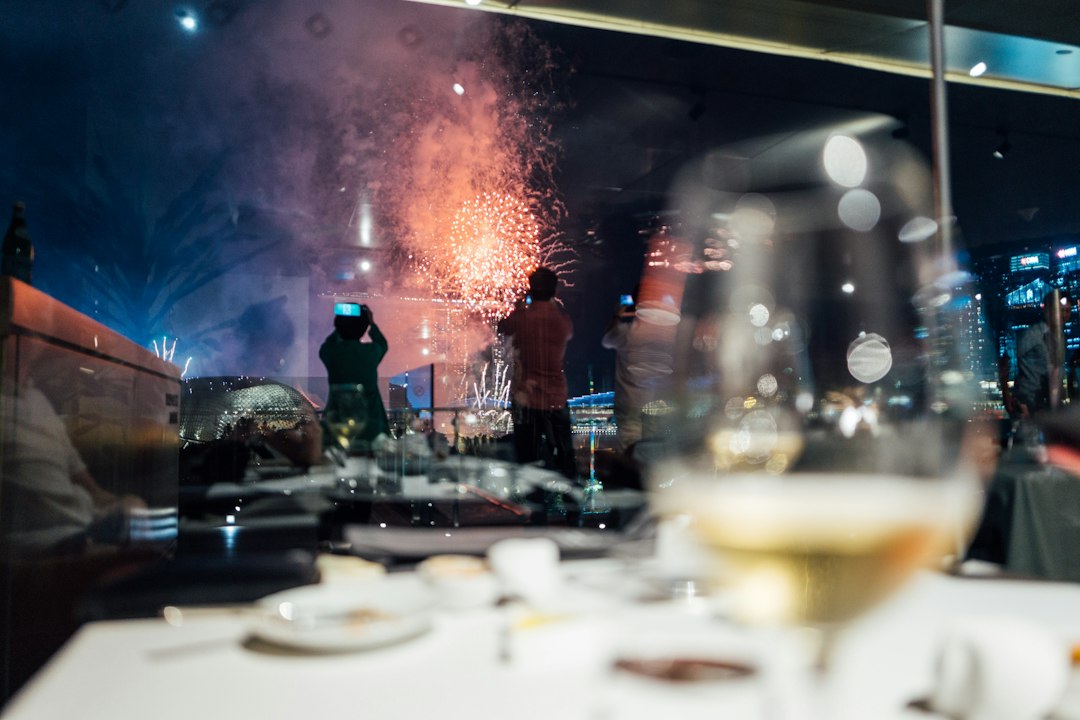
The fastest way to use a 2026 New Year AI prompt template
If you only have ten minutes, the fastest path is simple: paste the universal prompt, fill the placeholders (audience, tone, brand colors, CTA, platform), then apply the right aspect ratio and negative prompts so the year reads cleanly. Models are good at fireworks and night scenes, but they often warp lettering. You’ll fix that with one re‑roll and, if needed, a quick type overlay in your editor of choice.
- Clean numerals “2026”: add negative prompts like “misspelled text, warped letters, gibberish characters, watermark, logo” and use a seed value to stabilize outputs if your tool supports it.
- Brand colors: include two HEX codes. Example: “include brand colors #E91E63 and #111111.”
- Composition: state aspect ratio and framing. Example: “vertical 9:16, centered composition, safe space at bottom for caption overlay.”
- Budget and timing: most models return 1–4 images in 30–90 seconds; with one re‑roll, you can still wrap art + caption + email in about 10 minutes.
- Quick A/B test: publish two variants that differ by tone (sincere vs playful) or background (city skyline vs minimal gold on black) and compare engagement in 24–48 hours.
Copy‑paste 2026 new year ai prompt template pack (images, captions, emails)
Start with the universal line, then choose a style and paste one of these complete prompts. Replace bracketed text with your details.
Image prompts by vibe
- Neon Future 2026: Create a 2026 New Year image for [Gen Z audience] in a bold, upbeat tone; feature the numerals 2026 in glowing neon tubes; include brand colors [#HEX1, #HEX2]; confetti, city lights, fireworks bokeh; vertical 9:16 for Reels; negative: misspelled text, warped letters, watermark, logo, extra limbs; high contrast, sharp focus.
- Rooftop Glam: Create a 2026 New Year image for [young professionals] in a classy, celebratory tone; champagne flutes clinking, skyline at dusk, subtle 2026 on a sparkler; include brand colors [#HEX1, #HEX2]; 4:5 portrait for Instagram feed; negative: watermark, logo, overexposed highlights.
- Cozy Sparkler: Create a 2026 New Year image for [families] in a warm, heartfelt tone; soft living‑room fairy lights, sparklers forming a gentle 2026; include [#HEX1, #HEX2]; horizontal 16:9 for YouTube banner; negative: text distortion, watermark, brand marks.
- Minimal Gold on Black: Create a 2026 New Year image for [B2B clients] in a refined tone; matte black background, thin gold lines outlining 2026, subtle confetti; include [#HEX1, #HEX2]; 1:1 square; negative: busy background, logo shapes, watermark.
- Winter Wonderland: Create a 2026 New Year image for [travel lovers] in an inspiring tone; snowy street, vintage clock nearing midnight, softly glowing 2026 in frost on glass; include [#HEX1, #HEX2]; 3:2 for email header; negative: unreadable numerals, watermark, brand logo.
Text caption prompts
- Social captions (fun): Write 3 Instagram captions, 80–120 characters each, playful tone, for a New Year 2026 post featuring fireworks; add 2 on‑brand hashtags; no emoji overload; end with a soft CTA to comment a resolution.
- Social captions (grateful): Write 3 LinkedIn captions, 1–2 sentences each, appreciative and forward‑looking, for a B2B brand thanking clients in 2026; include a line that acknowledges shared wins and points to a Q1 resource; no hype words.
- Social captions (hype): Write 3 TikTok/Reels overlay scripts, 12–18 words each, countdown energy, referencing 2026 and a giveaway; include one line that invites viewers to share their goal; no expletives.
Business email template (clients/partners)
Prompt: Draft a 120–150 word New Year 2026 email to [clients/partners], [warm/professional] tone. Open with gratitude for [specific milestone], name one lesson from 2025, share one concrete way you will support them in Q1 2026, and include a single CTA link to [resource or booking page]. Subject line variants x3; keep preview text under 90 characters; no hard sell.
SMS/WhatsApp short wishes
Prompt: Write 5 short New Year 2026 messages under 120 characters for [friends/family/VIP customers], each with a different tone: playful, heartfelt, witty, minimalist, inspirational; no links; no emojis unless requested.
Video/animated card starter
Prompt (video): Generate a 30–45 second vertical storyboard for a New Year 2026 animated card: three scenes (city fireworks, numerals reveal, toast), minimalist titles, brand palette [#HEX1, #HEX2], end card with CTA [message]. Include music suggestions (royalty‑free) and pacing notes for 30 fps at 1080×1920.
Localization switch
Add to any text prompt: “Respond in [language]. Use a culturally appropriate greeting for New Year in [country/region] and adjust references accordingly.” For example, Spanish for Mexico vs Spain differs in idioms; specify region to avoid awkward phrasing.
Tool‑by‑tool setup: Midjourney, DALL·E, Stable Diffusion, Firefly, ChatGPT/Claude
Each tool handles text and numerals differently. Use these settings and negative prompts to keep “2026” crisp and your visuals brand‑safe. Pricing varies; the ranges below reflect publicly listed or commonly reported costs and may change.
| Tool | Best for | Learning curve | Cost per output (approx) | License notes (commercial?) | Speed | Notable settings to tweak |
|---|---|---|---|---|---|---|
| Midjourney | Images | Medium | $0.05–$0.20 per upscaled image (plan‑dependent) | Commercial use with paid plans; review terms | Fast | –ar 1:1/4:5/9:16, –stylize, –seed, –no text, –quality |
| DALL·E (via ChatGPT) | Images | Low | $0.04–$0.12 per image (model/size) | Commercial use typically allowed; review provider terms | Fast | Style strength, background control, prompt for “clean numerals 2026” |
| Stable Diffusion (web UI) | Images | High | $0.02–$0.08 on hosted credits; local compute time | Varies by model/host; check license | Fast–Medium | Sampler, steps 20–35, CFG 6–8, seed, negative prompt, inpainting |
| Adobe Firefly | Images | Low | Credit‑based in Adobe plans | Commercial use per Firefly terms | Fast | Content type, style intensity, text fidelity, remove watermark option |
| ChatGPT/Claude | Text (captions, emails) | Low | Fractions of a cent per message | Business terms apply | Instant | System role, length limits, tone, variables for audience/CTA |
Midjourney
- Prompt suffix: –ar 1:1 or –ar 4:5 (feed), –ar 9:16 (stories/reels), –stylize 75–175, –seed 2026 for consistent rerolls, –no text, –no watermark, –quality 1–2 depending on plan.
- Tip to show “2026”: Ask for “numerals 2026 as physical objects” (neon tubes, sparklers, balloons) instead of flat typography; the model draws objects more reliably than exact text.
- If numerals are warped: try a lower stylize value, add “clean numerals, simple composition, negative space” and re‑roll with the same seed.
DALL·E (in ChatGPT)
- Include a line such as: “Render the numerals 2026 clearly and legibly, no ornate scripts.”
- Style strength: medium; ask for “black background, thin gold lines” or “neon tubes” for legibility.
- Background control: specify “subtle fireworks bokeh” to avoid clutter that hides the year.
Stable Diffusion (Automatic1111 or hosted)
- Sampler: DPM++ 2M Karras or Euler a; Steps: 24–30; CFG: 6–8; Resolution: 1024 on longest side.
- Negative prompt: misspelled text, warped letters, extra digits, watermark, brand logo, low contrast, blown highlights.
- If the year is wrong, use inpainting: mask the area where 2026 should appear, prompt “clean numerals 2026, crisp, simple sans serif style” and generate 8–12 variations.
- Upscale with a 2x latent or ESRGAN model; if faces are present, apply mild face restoration; avoid plastic skin by lowering strength.
Adobe Firefly
- Content type: photo vs graphic; choose graphic for clean numerals.
- Style intensity: low to medium; increase “text rendering fidelity” if available.
- Use “remove watermark”/”no marks” options where provided; still add “avoid logos and watermarks” in your prompt.
ChatGPT or Claude (for text)
- System role: You are a copywriter for [brand], writing [platform] captions in a [tone] voice. Keep lines scannable and under [length].
- Few‑shot: Paste 2–3 examples of on‑brand captions or emails first; then add the universal prompt.
- Variables: audience, tone, CTA, link, hashtags (2–3 max), and one rule about emojis (none, minimal, or specific).
Sizes that ship: platform ratios, pixel maps, and prompt suffixes
Use the correct aspect ratio and leave safe areas so text overlays aren’t cut off by UI chrome. Add these suffixes to your image prompts to steer framing.
- Instagram feed: 1:1 (1080×1080) or 4:5 (1080×1350). Suffix: “4:5 vertical, balanced center composition, safe text area top and bottom.”
- Instagram Stories/Reels and TikTok/Shorts: 9:16 (1080×1920). Suffix: “vertical 9:16, central subject above midline, negative space at bottom for captions.”
- LinkedIn feed: 1:1 (1200×1200) or 4:5 (1200×1500) or landscape 1200×627. Suffix: “clean layout, minimal background elements, high legibility for small screens.”
- YouTube Shorts: 9:16 (1080×1920). Suffix: “high contrast, clear subject, room for title band top.”
- Email headers: 3:1 or 600–800 px wide at 2x. Suffix: “landscape 3:1, subtle background, large negative space for headline.”
Export tips:
- Images: PNG for graphics or typography; high‑quality JPEG (80–85) for photos to keep size down.
- Video loops: MP4 (H.264), 1080×1920, 30 fps. Keep under 15 MB where platforms limit size.
- Safe‑text zones: Do a quick overlay check in your social scheduler or design tool; keep essential text away from the top 250 px and bottom 250 px on 9:16.
Brand‑safe and rights‑safe: what to avoid and what’s allowed
- Avoid: trademarks, venue signage, celebrity look‑alikes, or real brand packaging. Ask the model to “avoid logos and watermarks” and keep backgrounds generic.
- License: review the tool’s commercial terms before using generated assets in paid ads or client work. Some platforms require paid plans for commercial use.
- Logos: add your own brand logo in your editor after generation so you control placement and clarity.
- People: if you plan to depict real people, use your own photography, licensed stock, or images you own rights to; obtain model and property permissions for commercial campaigns.
- Music: for animated cards, stick to royalty‑free or licensed tracks; platforms may flag audio that lacks rights.
A 10‑minute New Year kit: from prompt to post
- Minutes 1–3: Generate one hero image with your chosen tool using the universal prompt and appropriate suffix (ratio, negative prompts). If numerals are off, re‑roll once with the same seed.
- Minutes 4–6: Ask ChatGPT or Claude for three captions (A/B/C) and a 120–150 word client email using the text prompts above. Specify tone, audience, and a single CTA.
- Minutes 7–8: Resize/export to two formats: 4:5 for feed and 9:16 for story/reel. Add your logo in a corner; check safe areas.
- Minutes 9–10: Schedule the posts for platform‑specific peak times and send the email draft to your approver. Note what you plan to A/B test (tone or background) and define the metric (CTR or 3‑second views).
If you are mapping a broader Q1 plan, build this kit into a simple journey: awareness post, then an email that links to a useful resource. For a strategy‑level guide, see the AI content marketing strategy playbook for 2026 and the digital marketing funnel strategy playbook.
Pre‑flight checklist before you hit generate
- Audience: who is this for? (Gen Z, B2B buyers, families)
- Goal/CTA: comment a resolution, book a demo, download a guide
- Tone: playful, grateful, classy, inspirational
- Year visible: ensure “2026” is clear and legible
- Brand palette: two HEX codes; optional font family for overlays
- Platform + aspect ratio: 1:1, 4:5, 9:16, 16:9
- Style reference: 2–3 words (neon future, minimal gold, winter cozy)
- Negative prompts: misspelled text, watermark, logo, busy background
- Legal flags: no trademarks, no celebrity likeness, generic backgrounds
- Export sizes: feed + story; email header if needed
- A/B variables: tone, background vibe, headline word choice
Troubleshooting, common mistakes, and who this is not for
Fixing typical issues:
- Misspelled “2026”: Add specific negatives (misspelled text, warped letters), reduce style intensity, simplify composition, re‑roll with the same seed. If it persists, add the numerals as a clean overlay in your design tool.
- Cluttered fireworks: Ask for “subtle bokeh fireworks” and “negative space around subject”; reduce contrast or saturation slightly.
- Over‑glow and noise: Specify “soft light, low glow” and “clean black background” for minimal styles.
- Muted brand colors: Put HEX codes early in the prompt and reduce competing hues by specifying “limited palette”.
Common mistakes to avoid:
- Forgetting aspect ratio: Always set 4:5 or 9:16 depending on the placement.
- Overstuffed adjectives: Too many style terms confuse the model; keep 2–3 strong descriptors.
- No CTA: Even New Year posts work better with a small, specific ask.
- Unreadable numerals: Choose compositions that put the year on a solid or low‑detail area.
Who this is not for:
- Highly regulated industries without a compliance review step.
- Campaigns that need exclusive rights, celebrity likeness, or specific licensed venues.
- Teams that cannot publish iterations or measure results within 24–48 hours.
Quick A/B testing plan
- Variant setup: create two images (Neon Future vs Minimal Gold) and two captions (playful vs grateful). Keep CTA identical.
- Measurement: on social, compare 3‑second views and saves for images; for captions, compare link clicks and comments per view.
- Stop rule: after 24–48 hours and at least 1,000 impressions per variant, pick the winner for a small boost or reuse in the email header.
FAQs: short answers to what searchers ask
How do I write a good AI prompt for New Year 2026 content?
Use the universal template at the top, include your audience, tone, brand colors, and platform size, then add a negative list to avoid warped text and watermarks. Keep descriptors tight (2–3 style words) and specify composition.
Which AI is best for generating New Year 2026 images and cards?
Midjourney and DALL·E are popular and fast for general users. Stable Diffusion offers deeper control if you are comfortable with settings. Adobe Firefly integrates well if you already use Creative Cloud. Test two and pick the output your brand prefers.
How do I make sure “2026” appears clearly in AI images?
Ask for “clean numerals 2026” and add negatives for “misspelled text, warped letters”. Choose designs where the year is an object (neon tubes, sparkler shape) rather than flat typography. As a fallback, add the year as a vector overlay in your editor.
Are AI‑generated New Year images safe for commercial use?
Many platforms permit commercial use on paid plans, but terms vary. Review your tool’s license and avoid protected elements like trademarks or celebrity likeness. Add your logo afterward rather than asking the model to reproduce it.
What sizes should I export for Instagram, TikTok, and LinkedIn New Year posts?
Instagram feed 4:5 (1080×1350), Stories/Reels and TikTok 9:16 (1080×1920), LinkedIn feed 1:1 or 4:5. Include safe‑text zones so captions and UI don’t overlap your message.
How can I A/B test New Year captions quickly?
Create two tones of the same message and post them to similar audience segments within 24–48 hours. Measure comments per view and link clicks per view. Use the winner in paid boosts or in your email subject line variants.
For email strategy context, see this email marketing role explainer. And if you publish on WordPress, run through the WordPress SEO checklist after you schedule your New Year post.